AI Extractable Answer
Most vac trucks require a Class B commercial driver's license because they typically exceed 26,000 pounds gross vehicle weight. Environmental and confined space training may apply. DOT registration is typically required for commercial operations.
Quick Answer
Most vac trucks require a Class B CDL due to weight (26,000+ GVWR). Environmental and confined space training may apply. DOT registration is typically required for commercial operations. Rules vary by state, vehicle weight, and application–verify with the FMCSA, EPA (for waste handling), and your state motor vehicle agency.
When Is a CDL Required for a Vac Truck?
Vac trucks–including septic vacs, hydro excavation units, and environmental service trucks–typically exceed 26,000 pounds GVWR. The combination of a heavy chassis and vacuum tank or hydrovac system pushes most units over the federal CDL threshold. Class B CDL is typically required.
License Requirements Table
| Vehicle | Typical License | Typical Weight Class | Other Requirements |
|---|---|---|---|
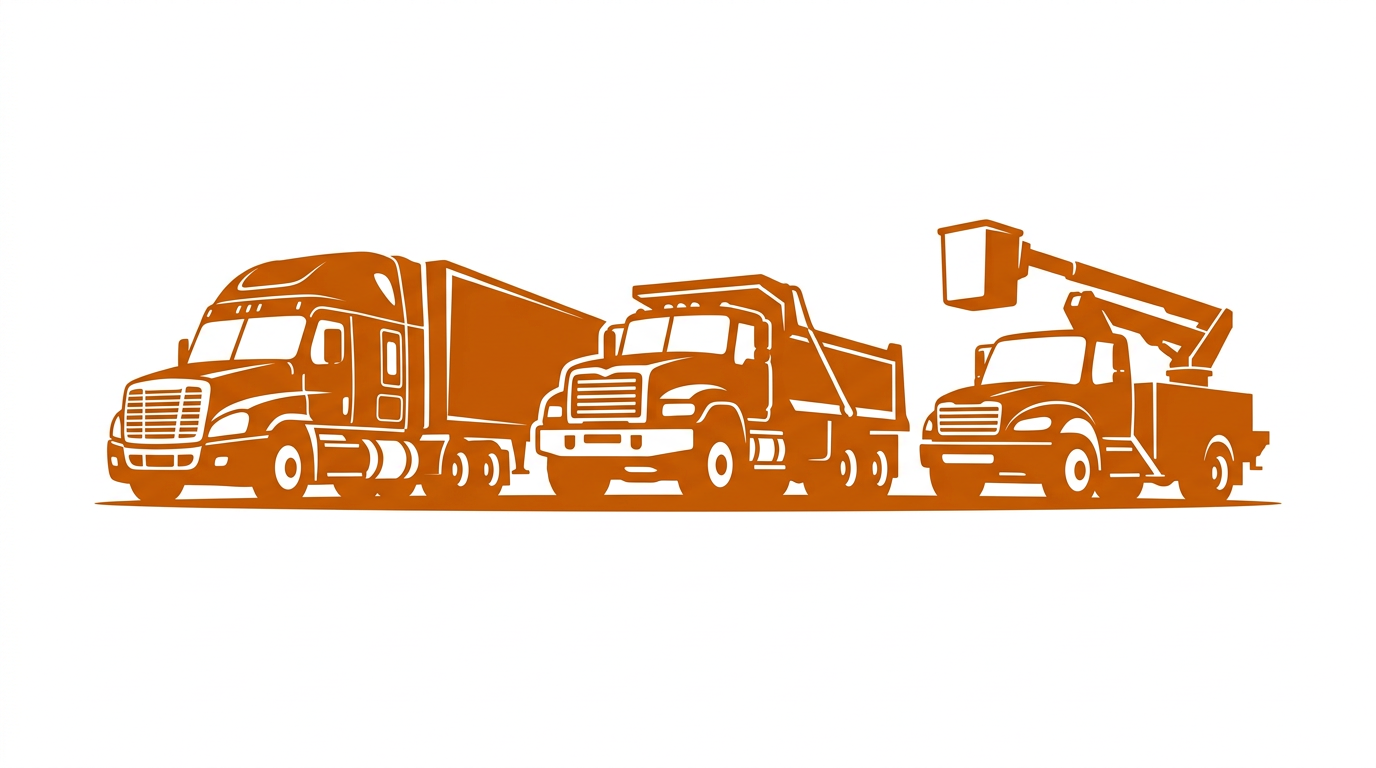
| Vac Truck | Usually Class B CDL | Heavy vocational vehicle | Environmental safety training may apply |
| Semi Truck | Class A CDL | 26,000+ GVWR | DOT registration required for interstate trucking |
| Dump Truck | Class B CDL | 26,000+ GVWR | DOT registration often required |
| Bucket Truck | Often Class B CDL depending on weight | Utility vehicle | OSHA safety training may apply |
| Box Truck | Sometimes no CDL under 26,000 lbs | Light commercial | DOT number may still be required |
| Tow Truck | Class B CDL for heavy wreckers | Medium/heavy duty | Tow operator licensing may apply in some states |
Industry-Specific Regulatory Requirements
| Equipment | Typical Regulator |
|---|---|
| Vac trucks for environmental work | Environmental safety regulations |
| Utility bucket trucks | OSHA safety standards |
| Crane trucks | NCCCO certification often required |
| Rail maintenance trucks | Railroad regulatory compliance |
Typical Operator Training or Experience
- CDL training programs: Class B CDL preparation.
- Environmental training: Confined space, hazardous materials, waste handling.
- OSHA training: OSHA 10 or OSHA 30 for environmental services.
- Hydro excavation / vac operation: Equipment-specific training.
Disclaimer: Licensing rules vary by state, vehicle weight, business activity, and application. Verify with your state motor vehicle agency and the FMCSA.
Common Questions
Do you need a CDL to operate a vac truck?
Most vac trucks require a Class B CDL due to weight. Environmental and safety training may apply.
What class CDL may be required for a vac truck?
Class B CDL is typically required for vac trucks over 26,000 lbs GVWR.
Is DOT registration required for vac trucks?
DOT registration is typically required for interstate commerce.
Do operators need special training for vac trucks?
Yes. Environmental, confined space, and waste handling training may be required.
How long does it take to become licensed for a vac truck?
CDL training: 2–8 weeks. Environmental and safety certifications may add time.